

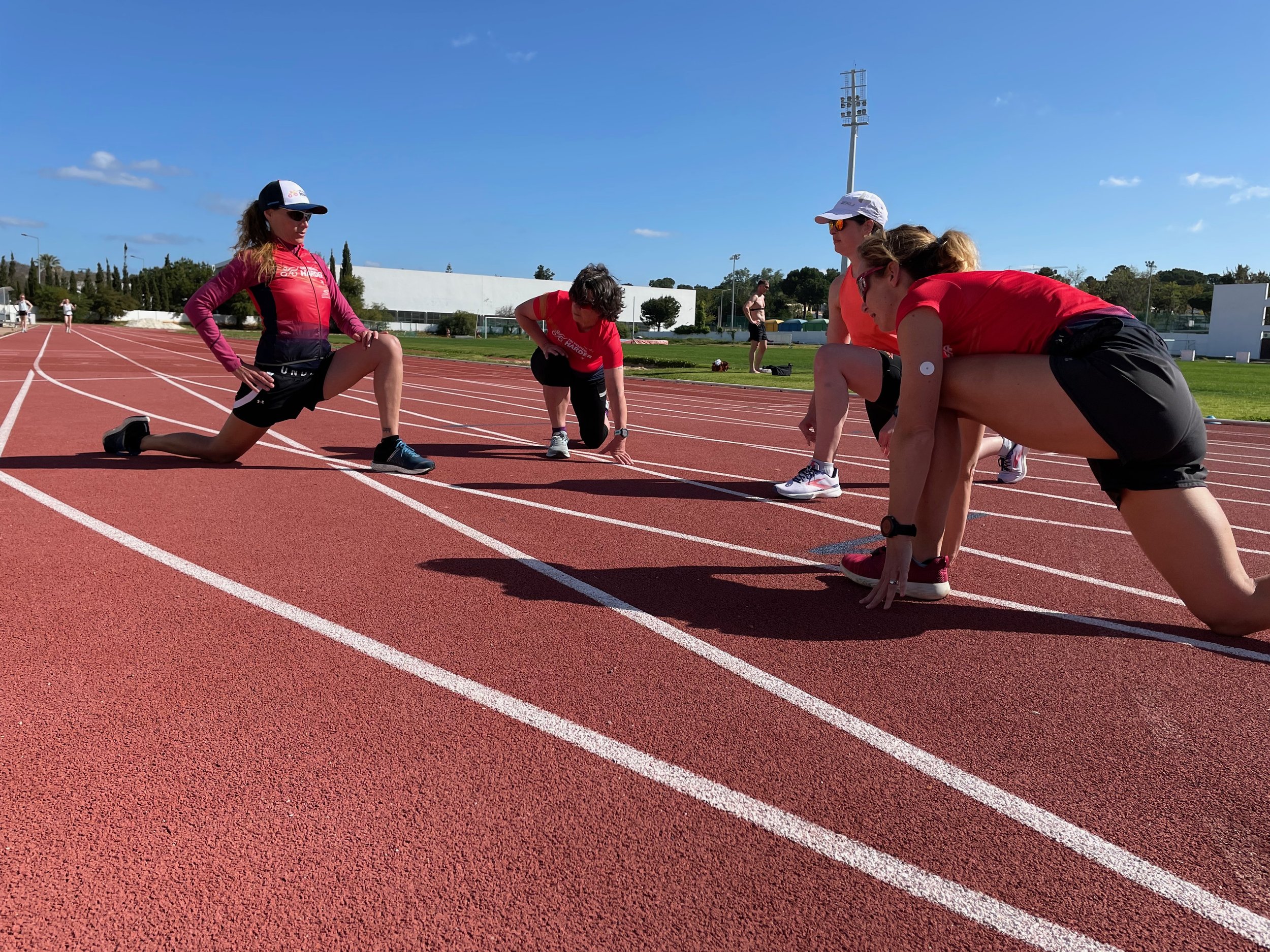
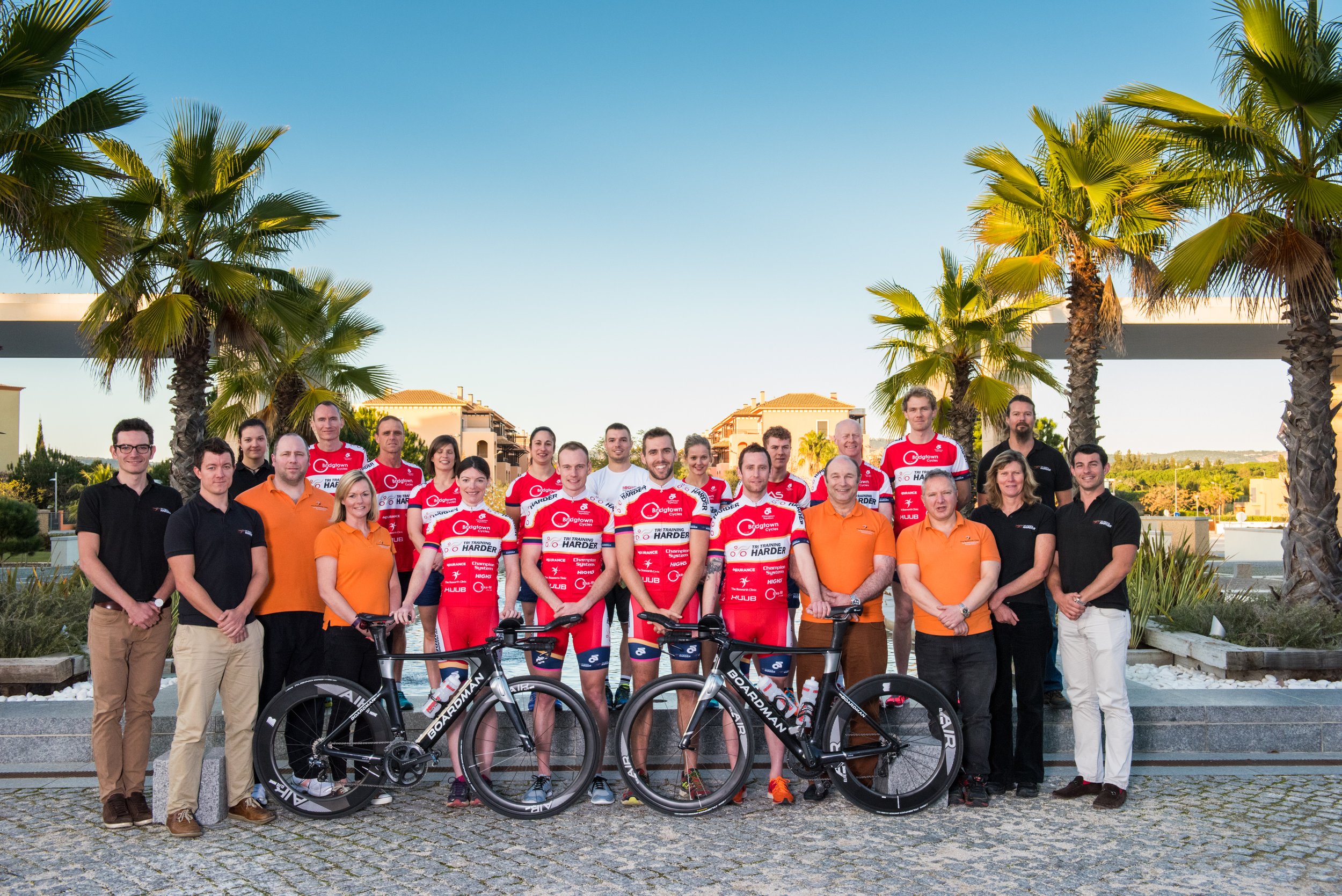
At Tri Training Harder, we see partnerships as something more than just a way to promote or sell products. Instead, they are there to support our coaching philosophy and, over time, help us enhance the experience for every athlete we work with.
Some of these services are woven directly into the way we coach and assess athletes, becoming part of our day-to-day approach. Others are trusted partners we turn to when specialist expertise can really add value to an athlete’s journey. Some provide extra benefits that help support the broader journey each athlete takes.
Throughout all of this, our coaches remain the main point of guidance for athletes. Partnerships are there to help athletes and coaches make better decisions, not to replace the decision-making process itself. All partnerships are reviewed through a coaching lens, with athlete development and long-term decision-making as the priority.
Integrated Performance Services
Services that form part of how we assess, prepare, and support athletes.
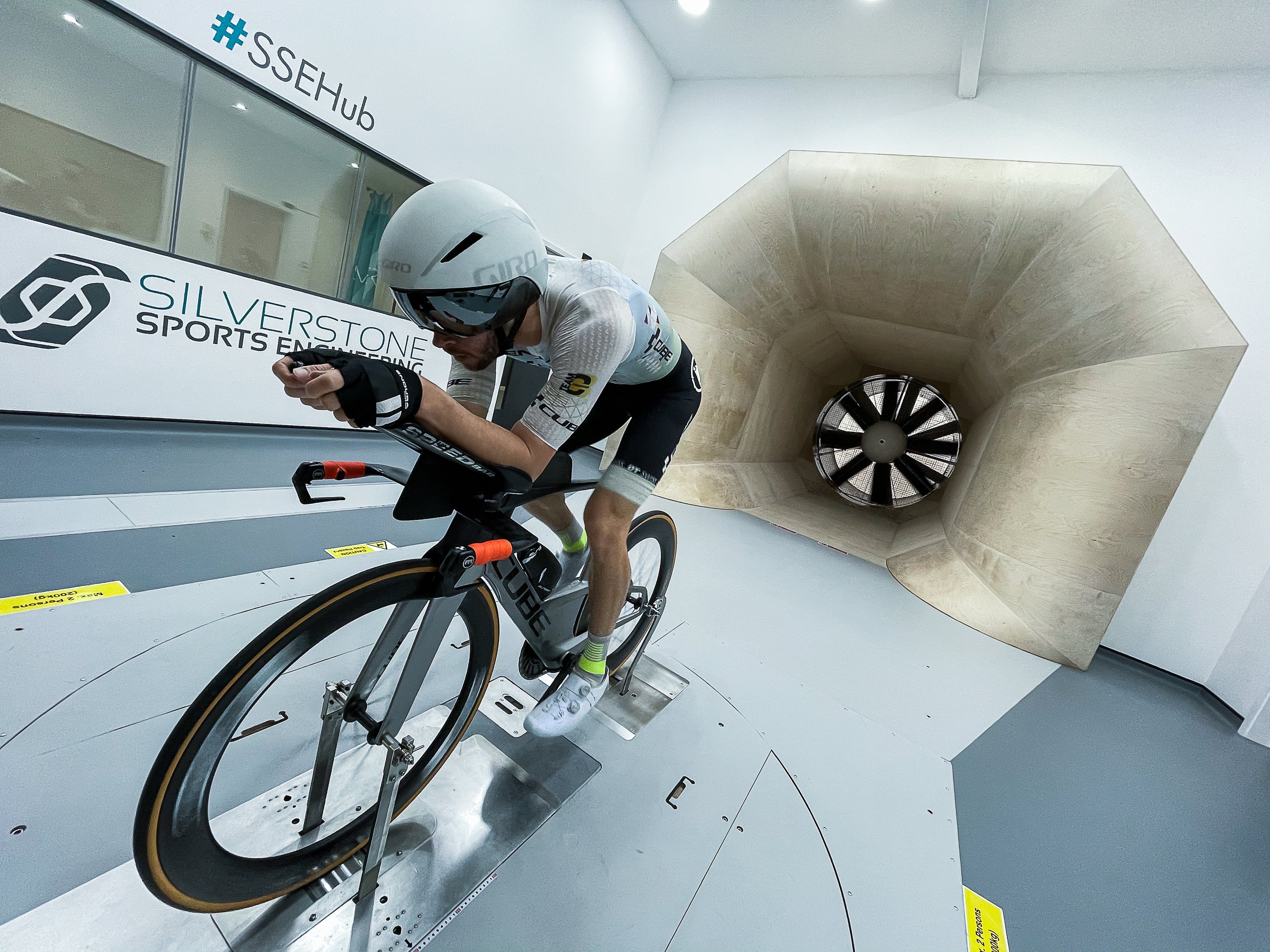
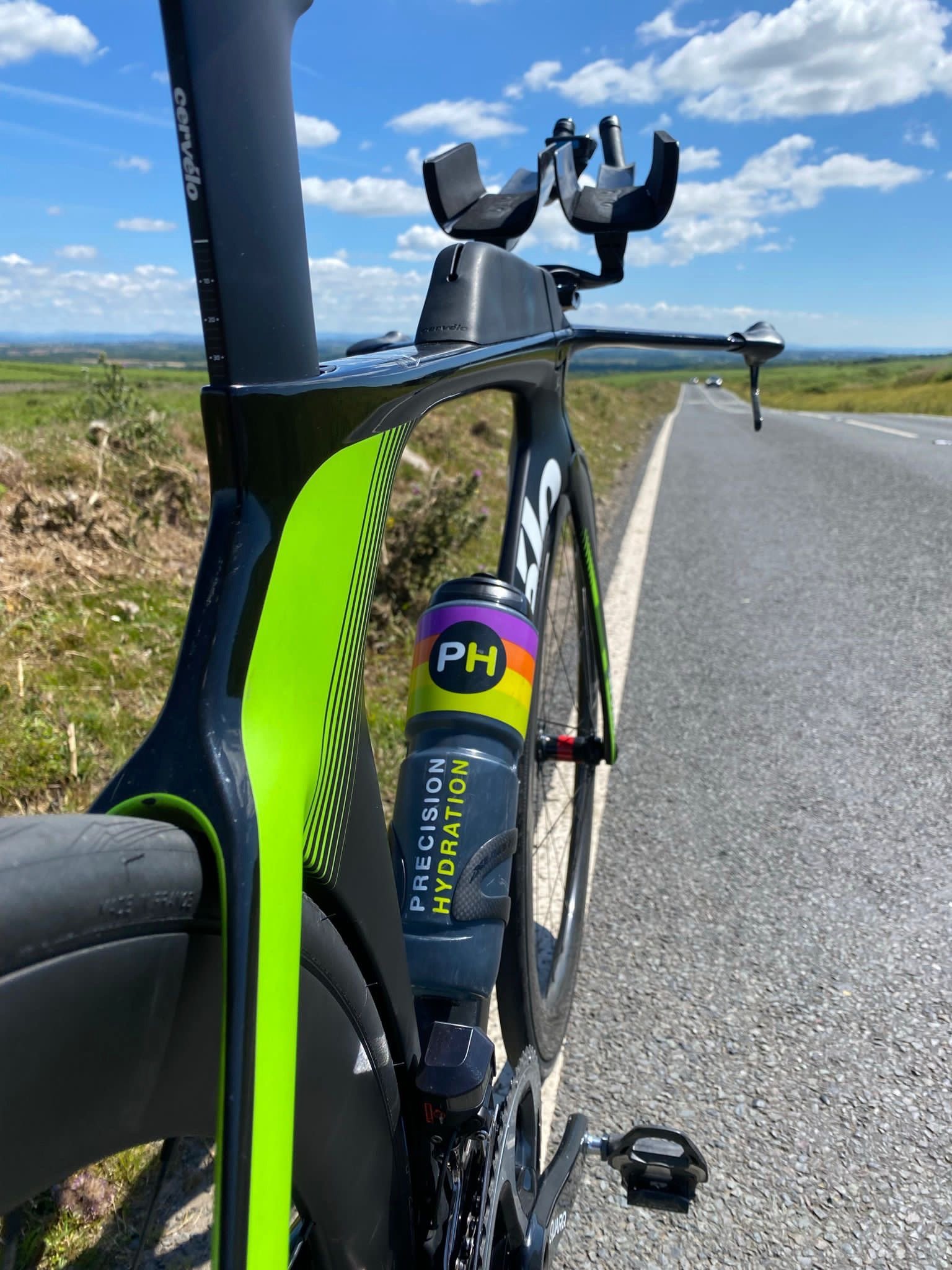
Aerodynamics play a significant role in cycling performance, particularly in non-drafting and longer-distance racing. Aerodynamic testing allows athletes and coaches to better understand how position, equipment choices, and body shape influence drag and race-day speed.
At TTH, aerodynamic testing is used selectively to support race-specific preparation, validate position changes, and increase confidence around equipment decisions, always alongside coaching judgment and training context.
Performance & Technology Partners
Tools and platforms that align closely with how we coach and support athletes.

Health, Recovery & Athlete Support
Trusted services we work alongside to support athlete health and continuity.


Community & Practical Support
Additional partners that support the wider athlete experience.


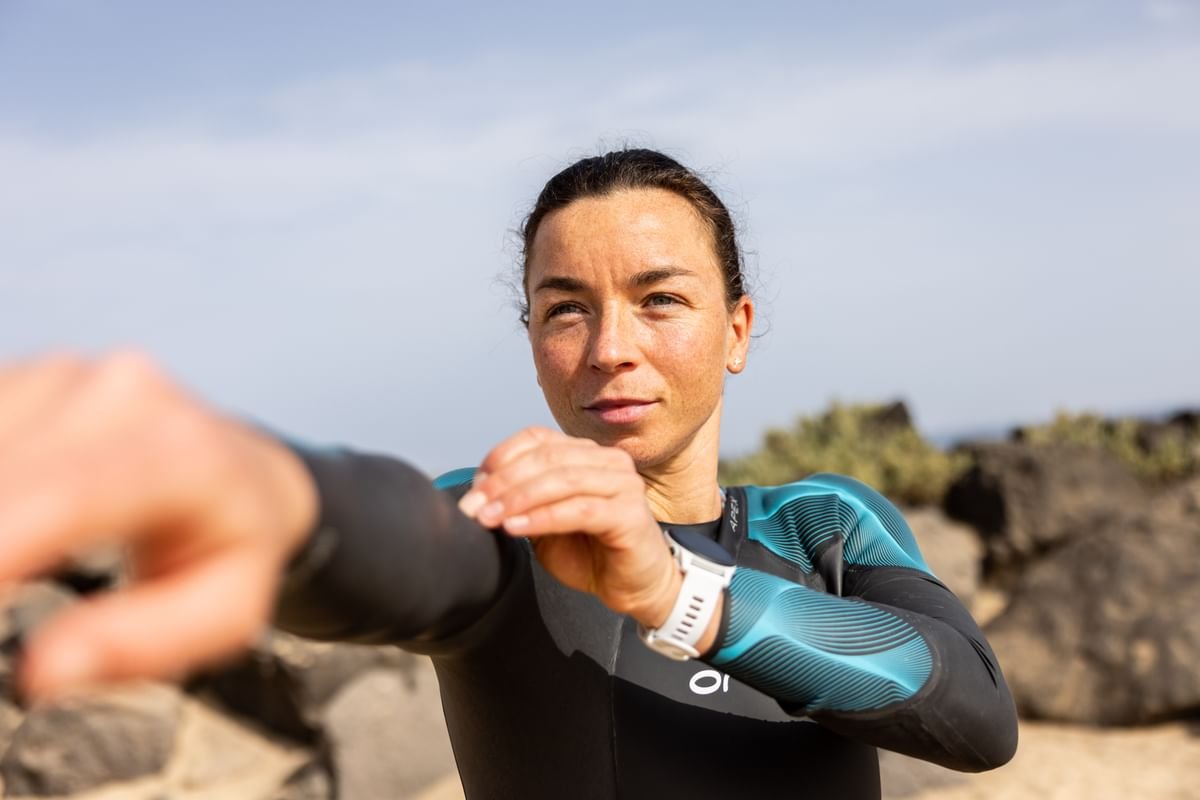


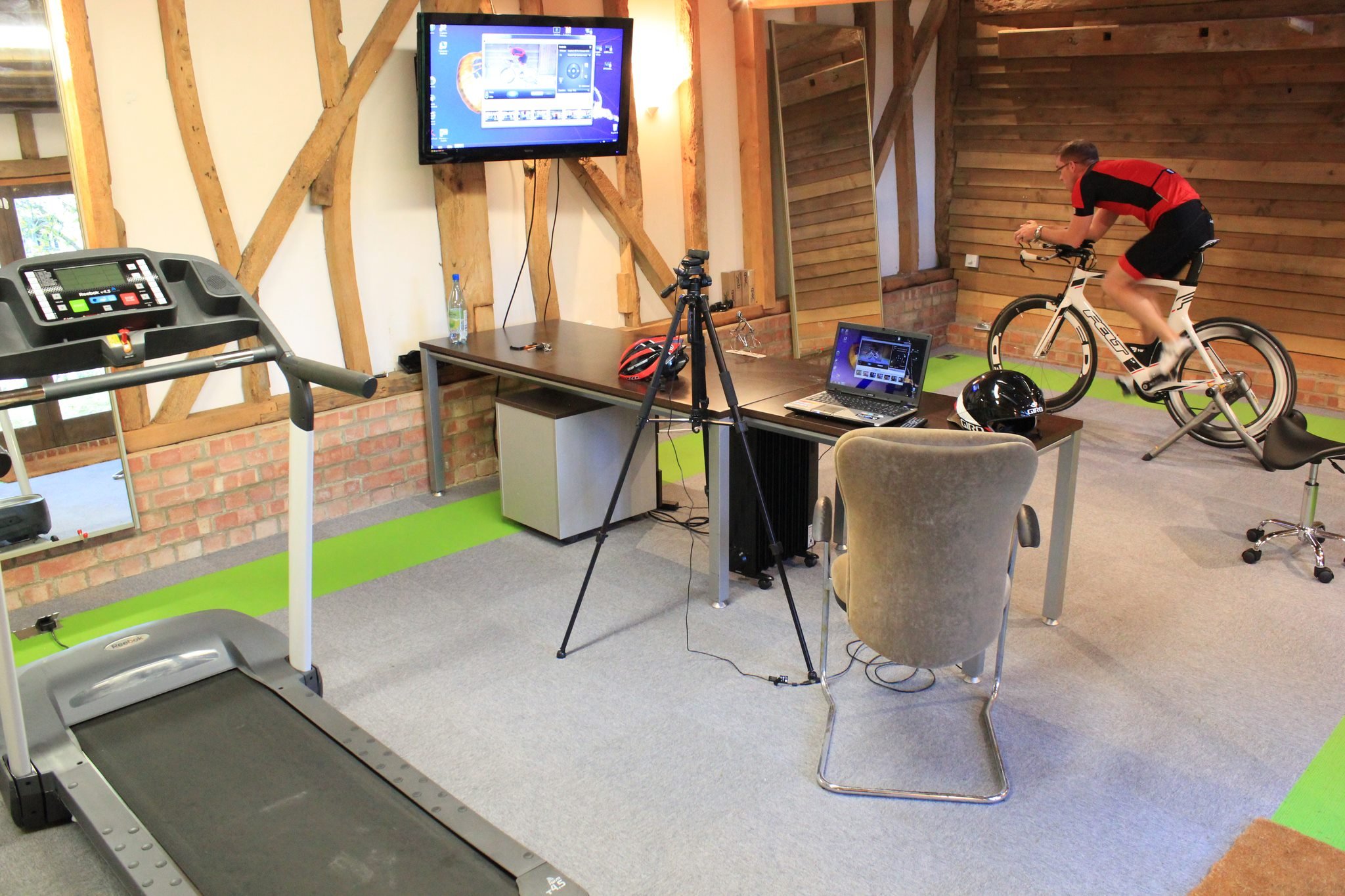
Laboratory-based testing can provide additional insight into how an athlete responds to training, intensity, and environmental stressors. When used appropriately, this information can help guide training decisions and support longer-term development.
At TTH, these tools are used selectively and interpreted within the wider coaching picture; they are never a replacement for consistent training, context, or coach judgment.